Live Beautifully With What You Already Have

Stop waiting for “someday.” A designer’s guide to making what you already own feel intentional—with a clear plan and a few high-impact layers.

You move the same stack of mail off the same corner of the counter. You walk around the same too-big chair. You tell yourself, “It’s fine”… but it’s not really supporting you.

Here’s the good news: your home doesn’t need a full reset to feel beautiful.

This isn’t about making do.

It’s about making what you have feel intentional: a thoughtful plan, the right flow, and a few layers that warm everything up.

Living beautifully isn’t about owning more. It’s about using what you already have—better, with intention.

I’m Heather, the designer behind Safferstone. And the way we create everyday luxury is simpler (and kinder) than most people expect:

Inventory first. Plan second. Layer last.

You bring the story. I bring the discernment.

What We Mean by “Enough”

Enough is a home that supports you.

Enough = edited with discernment + planned for flow + layered for warmth
Not “don’t buy anything” or “just rearrange.”

1) You Don’t Need a Blank Slate

A secret from inside the design world: very few homes start from scratch.

Most projects begin with a mix of:

  • Pieces that have meaning—but no clear place
  • Things that were on sale and “good enough”
  • Furniture that technically fits—but doesn’t support how you live

When I walk into a home, I’m not thinking, “How fast can we replace everything?” I’m thinking:

  • What has good bones?
  • What has a story?
  • What’s working harder than it needs to?
  • What’s missing to make this feel cohesive?

Sometimes our best work begins in the least glamorous place — a garage, a back bedroom, a pile of “someday” pieces — where meaning is waiting for a plan.

Try this (5 minutes): Before you buy anything new, make two quick lists:

  • 3 things you truly love (an old rug, your favorite chair, a piece of art, a lamp that makes great light)
  • 3 things you’re always working around (the too-big chair, the wobbly table, the lamp that’s never in the right spot)

Those six items are your starting point. Not the inspiration board. Your actual house.

Photos by: Rebecca McAlpin

2) Edit With Kindness, Not Guilt

We’re so used to shaming ourselves about our stuff.

“I should love this; it was expensive.”

“My mom gave me this, I can’t move it.”

“We just bought that; it can’t be wrong already.”

Here’s the truth: You’re not a bad person if a piece you bought five years ago isn’t serving you today.

When I’m working with a client, we edit with kindness:

  • Keep: anything you’d be genuinely sad to lose
  • Relocate: pieces you love that might simply be in the wrong room
  • Release: items that take more than they give (visually, emotionally, or functionally)

You don’t have to do a dramatic purge. Just choose one space and ask: “If I saw this today, would I choose it again?”

If the answer is no, that’s not failure, it’s information.

Try this: Pick one room and remove one thing that makes your shoulders tense when you look at it. Live without it for a week. Notice what changes.

3) Rethink the Room Before You Replace the Room

So many “problem” rooms aren’t actually furniture problems—they’re flow problems.

The sofa blocks the light. The chairs sit too far apart to have a real conversation. The walkway slices right through the spot where you want to relax.

This is where we use a designer lens: we look for the room’s landing zones—where life actually happens—and design around those first.

A few high-impact shifts:

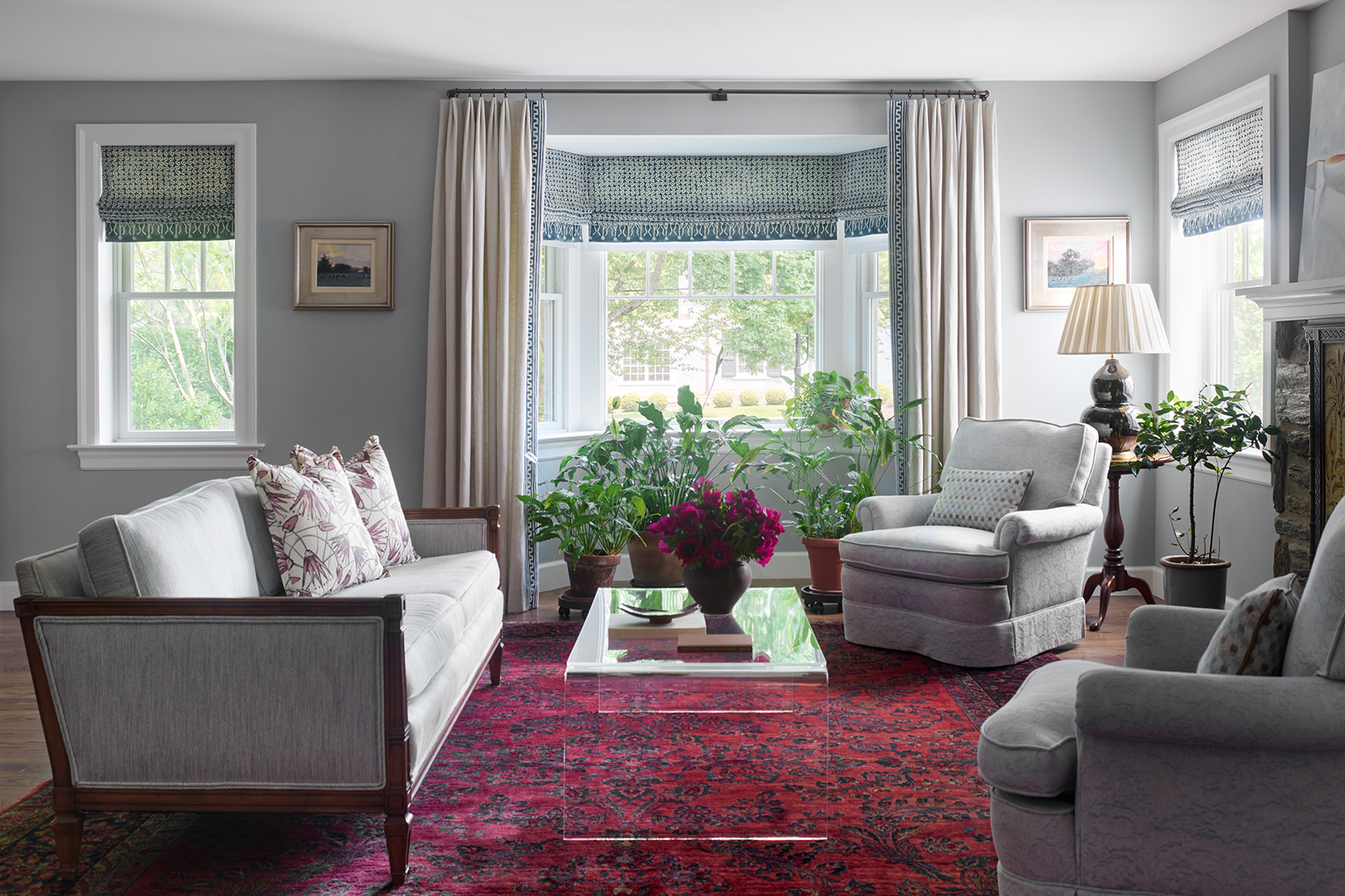
  • Tighten the seating area so it supports conversation
  • Create one clear pathway through the room
  • Give the room a true “drop zone” (where keys, bags, books actually want to land)
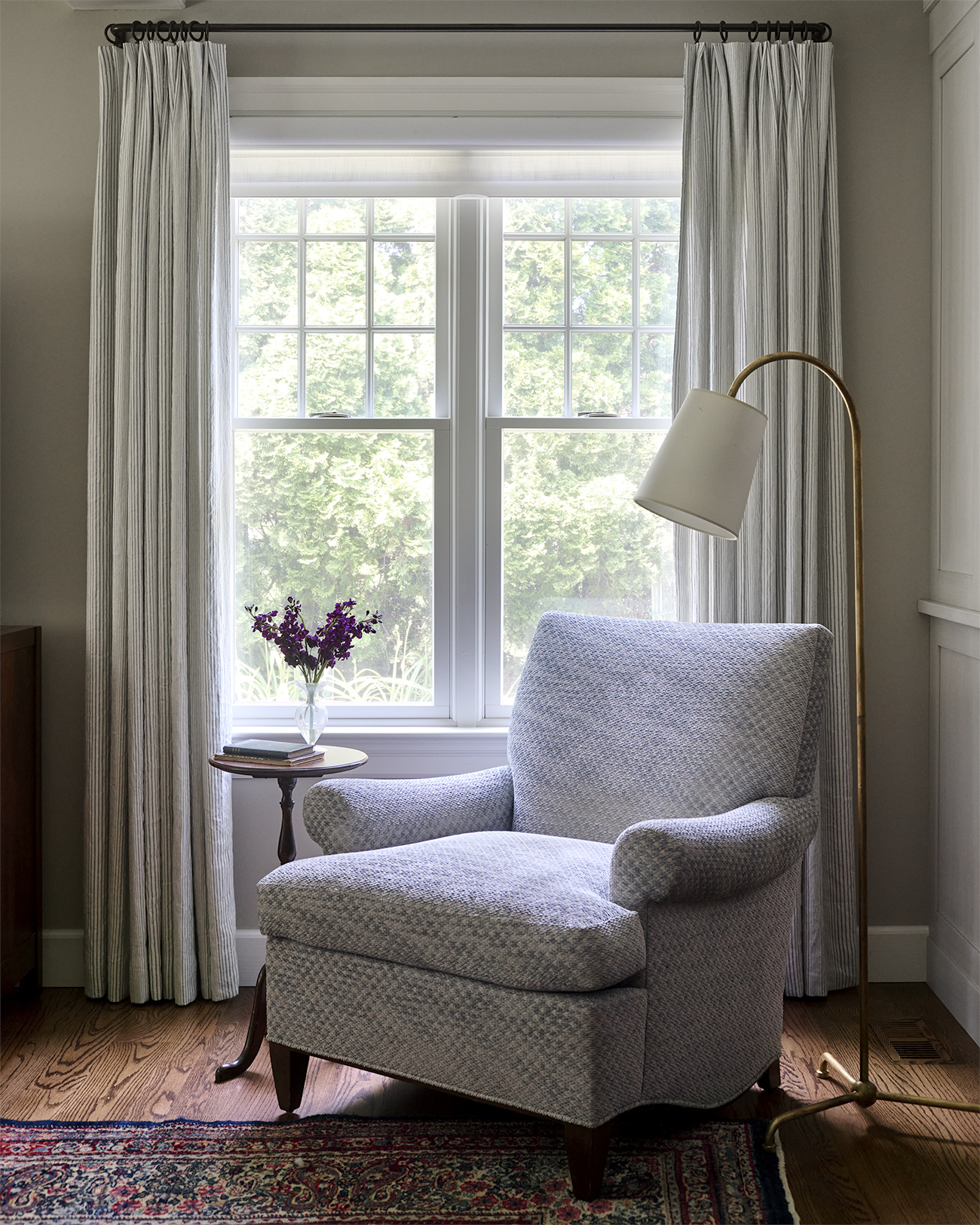
  • Make one comfort spot obvious (a chair + light + surface = permission to rest)

If you’ve been blaming the furniture, start here. Flow creates ease—and ease is a form of luxury

Photos by: Rebecca McAlpin

4) Layer in Everyday Luxury (Without Going Overboard)

Once the bones of the room feel better—edited and planned—you can layer in what I think of as quiet luxury.

Not “show it off on Instagram” luxury.

“Sit down and exhale” luxury.

The layers that change everything:

  • Lighting: the right lamp in the right corner; warmth at night; a room that doesn’t feel flat after sunset
  • Textiles: drapery to soften hard edges; pillows and throws that add comfort and texture
  • Art + objects: fewer pieces, better chosen—placed where you’ll actually enjoy them
  • Surfaces: a side table where life can land without a gymnastics routine

Try this: Choose one small upgrade you’ll feel every single day—then use it on an ordinary Tuesday. A warmer bulb. A softer throw. A candle you’ve been saving.

5) Know When to Call in Help

There’s a point where DIY stops feeling fun and starts feeling like a full-time job.

If you’ve:

  • rearranged a room six times and it still feels off
  • bought “just one more thing” hoping it will be the fix
  • been living with a space that asks too much of you for too long

…that might be your cue to bring in a partner.

A good designer doesn’t bulldoze your life—or your furniture.

We create clarity:

  • Inventory: what stays, what gets refreshed, what gets released
  • Plan: layout + priorities (what comes first, so decisions happen in the right order)
  • Layer: lighting, textiles, art, and the few right additions that make everything feel cohesive

That’s how a house becomes a home that supports you back.

Photos by: Rebecca McAlpin

Start Here

If “living beautifully” feels far away, start ridiculously small.

Restyle one surface you see every day. Move one beloved object to a place of honor. Choose one tiny comfort that makes the room feel easier to be in.

Then step back and ask: “Does this support me more than it did yesterday?”

If the answer is yes, you’re already living more beautifully than you were before.

And if the answer is no, bring us in to help support you. We got your [wing]back.


SAFFERSTYLE | VOL. 3 | Flow Like Home

Because flow isn’t efficiency; it’s alignment in action.

From Heather

The Soft Rhythm Of Living

You step into the mudroom. Shoes piled up. A jacket slipping off its hook. Bags in a heap like a forgotten to-do list. It’s the kind of corner that quietly works against you…until one day, you realize you’re tiptoeing through your own home like it’s someone else’s. Nothing’s technically wrong. But nothing truly works.

This isn’t about wrong or right. It’s about rhythm — how your home responds to your life, and whether it’s keeping pace or pulling you off track.

Flow is the quiet architecture of ease. It’s how the house learns your rhythm and responds to it, when the space knows what you need before you do. It’s not performative. It’s personal. And when it’s working, your home begins to support you in ways you hadn’t realized you were missing.

At Safferstone, we build homes that move with you. Flow is our framework. One built from clarity, not clutter. Intention, not impulse. From entryway to exhale.

In Issue 1, we explored the spark.
In Issue 2, we followed resonance.
Now, in Issue 3, we find rhythm, the quiet choreography of everyday ease.

With clarity and cadence,
Heather


Feature Story

The Hidden Cost Of Price Shopping

Bargain hunting is great for holiday decor. Not for your sanctuary.

Let’s name it: price shopping can wreck your flow.

Not because you can’t find something beautiful at a good price, but because a “good deal” often becomes a bad fit.

When you design your home around discounts, convenience, or speed, you end up with a space that feels… off.


Not broken. Not ugly. Just subtly, chronically misaligned.

And that misalignment? It steals your time. Drains your energy. Adds friction to the parts of life that are supposed to feel easy.

Photos by: Rebecca McAlpin

Case In Point:

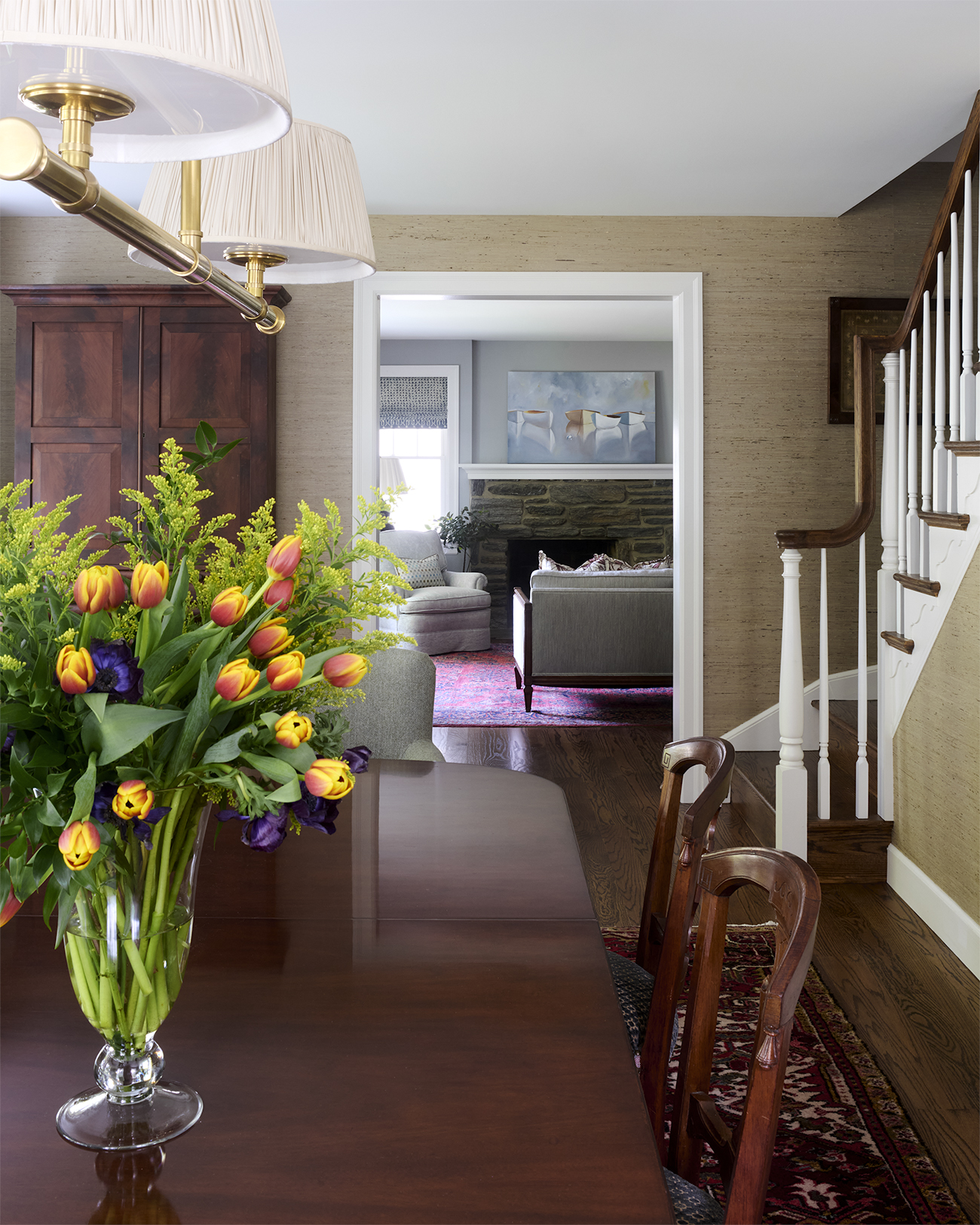
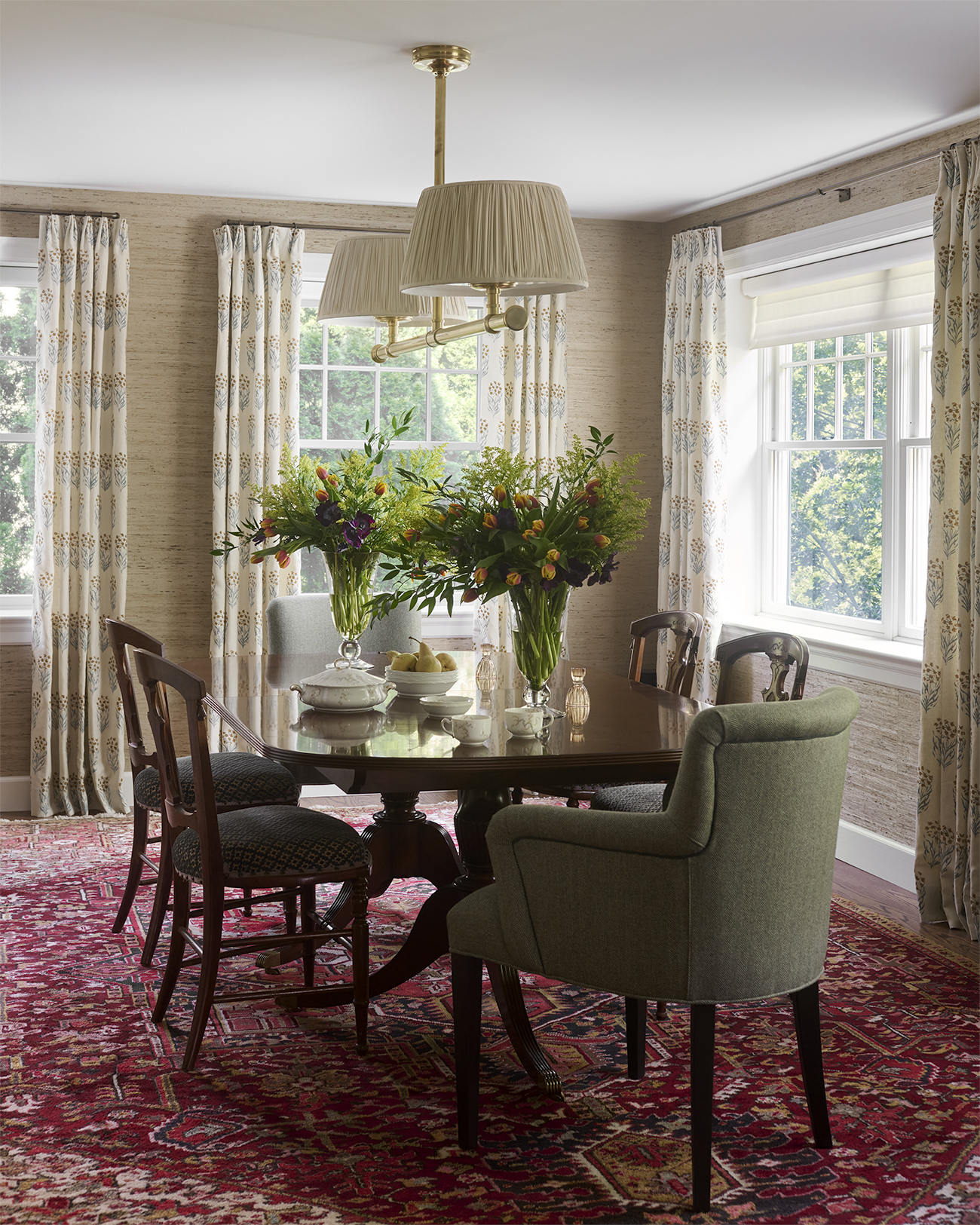
Like that mudroom that slows you down before your day even starts, one client’s dining room was quietly stealing energy. Gorgeous chandelier. Lovely table. But no one lingered. Why? The chairs she found online were too tall. The paint color she found on Pinterest was too cold. The layout didn’t make conversations feel natural, they felt performative.

We rethought the vibe around one goal: make it feel like a gathering, not a gallery. Shorter chairs. Textural grasscloth. Patterned drapery. A rug that softened the echo. The room didn’t need new everything. It needed a new rhythm.

Here’s What Flow Really Costs:

  • Misaligned choices = More mental clutter
  • Under-functioning layouts = Compensating every damn day
  • Visually chaotic rooms = Nervous system on high alert
  • Cheap finishes = Slow drip of buyer’s remorse

The kicker? Spending more doesn’t guarantee flow. The real investment is in choosing pieces and placements that genuinely support the way you live, right from the start. That’s the beauty of following a well-designed plan and executing it. It’s not about budget; it’s about intentions.


Design is Cumulative

One compromise might not kill your flow. Twelve compromises strung together like sad little pearls? That’s a system failure. Design done right builds momentum, not micro-regrets.

So instead of asking, “What does this cost?” Ask, “What will it cost me to keep living around this?”

Try This:
Walk through your space. Don’t fix, just feel. Where are you compensating? What feels like friction? Choose one element and get honest: Is this here because it serves me or because it was a “deal”?

Photos by: Rebecca McAlpin


Flow isn’t a luxury. It’s what happens when you make aligned decisions — again and again — until ease becomes your new default. And when you stop settling for “good enough,” your home starts working like it was built just for you. (Because it was.)


Coming Next…Vol. 4: Live Beautifully

  • Living beautifully is about alignment, not more stuff. Beauty isn’t “brand new everything.” It’s when your home actually supports the way you live day to day — emotionally, functionally, energetically.
  • Everyday luxury is built in small, intentional moves. Not a massive overhaul. One corner, one ritual, one quiet upgrade at a time — soft lighting, better flow, the good mug on a Tuesday. That’s “live beautifully” in practice.

Because a beautiful home begins with an inspired inbox.

Each edition of SafferStyle is a love letter to intentional living, filled with behind-the-scenes design stories, expert insights, and soulful inspiration to elevate your everyday.

Think of it as your monthly dose of livable luxury:

  • Fresh finds + seasonal styling tips
  • Home rituals + design reflections
  • Sneak peeks into Safferstone transformations

Whether you’re dreaming up your next project or simply craving beauty with meaning, SafferStyle is your curated companion on the journey home.

Let’s design a life that feels as good as it looks.

SUBSCRIBE to SafferStyle


The Hidden Cost of Price Shopping

Your home is your story. But if that story is held together with sale tags and stress scrolls, it might be time to rethink the way you shop. True design isn’t about finding the cheapest deal; it’s about crafting a space that reflects who you are, elevates how you live, and feels effortlessly yours.

Let’s explore how price shopping might actually keep you from achieving the home you’ve always dreamed of.

Photos by: Rebecca McAlpin

Design is Not a Commodity

Interior design is deeply personal. It’s about crafting a space that fits your life, your style, and your values. Price shopping often assumes that all designers or services are created equal. The truth? They’re not.

A skilled designer doesn’t just pick furniture or suggest paint colors. They bring years of expertise, creativity, and a network of trusted artisans to the table. They anticipate challenges you didn’t see coming, craft layouts tailored to your lifestyle, and source unique pieces that elevate your home beyond anything mass-market options can offer. That’s the kind of expertise you can’t put a price on.

When it comes to designing your home, it can be tempting to compare costs, look for bargains, and focus on saving a few dollars. We’ve all been there, trying to make the numbers work. But when it comes to interior design, price shopping doesn’t just miss the point, it misses the magic.

Photos by: Rebecca McAlpin

Invest in a Home That Invests in You

Interior design is an investment—not a line item to negotiate down. It’s about putting your money into something that pays dividends in comfort, beauty, and functionality. When you work with a designer like Safferstone, you’re investing in a home that brings value to your everyday life and elevates how you experience your space.

Understanding the Value Behind the Markup 

Design services often include a markup for furnishings and materials, but this is where value comes into play. A designer’s expertise ensures that every piece is chosen for quality, longevity, and style—saving you from costly mistakes and time wasted. The true question isn’t ‘what’s the markup?’ rather, ‘what’s the value being provided?’

Save Money in Smarter Ways

Think beyond the price tag. A skilled designer doesn’t just create beautiful spaces—they help you save money where it counts:

  • Avoiding Redesigns: A well-executed plan ensures your space is done right the first time, saving you from costly do-overs.
  • Mitigating Unexpected Surprises: Designers anticipate potential pitfalls and proactively address them, keeping your project on track and stress-free.
  • Providing a Clear Path to Optimized Results: With detailed plans, clear communication, and expert coordination, designers streamline the process to deliver a cohesive and stunning result that exceeds your expectations.

This level of discernment ensures that every dollar you spend is working toward a cohesive, functional, and beautiful home.

Discernment for the Distinguished Palate 

Design is about thoughtful curation. Working with a designer means crafting a home with care and precision—selecting the best materials, the right layout, and every perfect detail to create a space that’s authentically you.

Photos by: Rebecca McAlpin

Your Home, Your Story: Luxury Should Be Bespoke to You

True luxury is personal. It’s about tailoring your home to your life, your needs, and your aesthetic. Bespoke design focuses on intentional choices that bring joy, reflect your individuality, and function seamlessly within your day-to-day life.

At Safferstone, we believe your home should tell your story. It’s not about chasing trends or cutting corners; but about creating your space and enhancing how you live. We’re here to help you see beyond the price tag and embrace the possibilities.

Let’s stop settling for bargain-bin solutions and start focusing on what truly matters: designing a home that reflects your story, your style, and your aspirations. Your home deserves the care and attention only bespoke design can provide.


Your dream home is waiting. Let’s create it together

Design Alchemy: Turning Vision Into Sanctuary

The Feeling That Starts It All

Sometimes, it starts with a feeling. You walk through your home — the one with the great bones, the designer finishes, the just-right tile — and something feels slightly misaligned. It’s not wrong. But it doesn’t feel right.

Yet.

We’ve worked with clients in this in-between space. One had the backsplash she’d dreamed of for years, but still avoided spending time in the kitchen. With the right  lighting and flow adjustments, she told us, “Now I linger here.”

That’s the difference design can make. The architecture may impress, but the energy has to invite.

So we begin not with demolition, but with discovery. We layer in light that softens the edges. Replace symmetry with movement. Add texture that soothes and palettes that evoke place with intention.

What emerges is more than a refreshed space. It’s a recalibrated one. A home that finally meets you where you are.

This isn’t about having the right backsplash in the wrong kitchen or the wrong sofa in the right room. This is about alignment and what it feels like to walk into a space and recognize yourself in it. We call it The Call of Home, that pull toward a space that actually feels like you.

Let’s answer it.

Photos by: Rebecca McAlpin

Start With the Soul, Not the Sofa

Design isn’t ‘trend’ any more than clothes are ‘fashion’. Design is about what’s true: true to your needs, your rituals, your way of moving through the day.

Before we ever talk furniture or finishes, we start with reflection:

  • What do you want your home to hold for you?
  • What kind of energy should greet you at the door?
  • What does feeling at home mean right now and in this season of your life?

These questions unlock everything else. Because when you begin with clarity — real, , soul-level clarity — design stops feeling like a guessing game and starts unfolding like a map made just for you. It’s easier and unmistakably yours.


Seeking Harmony? Start Here.

Most homeowners we meet have done their homework. They’ve bookmarked styles, pinned mood boards, maybe even invested in pieces they loved in theory.

But many still feel a lack of harmony. They’re surrounded by beautiful elements, yet something feels disconnected. The rooms aren’t working together. The design doesn’t feel rooted.

What’s often missing is emotional clarity — that deeper connection between how a space looks and how it lives.

Photos by: Rebecca McAlpin


The Safferstone Framework: Anchor the Emotion

Every home we design is grounded in what we call emotional anchors, the feeling each space is meant to evoke. These aren’t vague vibes. They’re strategic design cues that guide every decision from floorplan to finish:

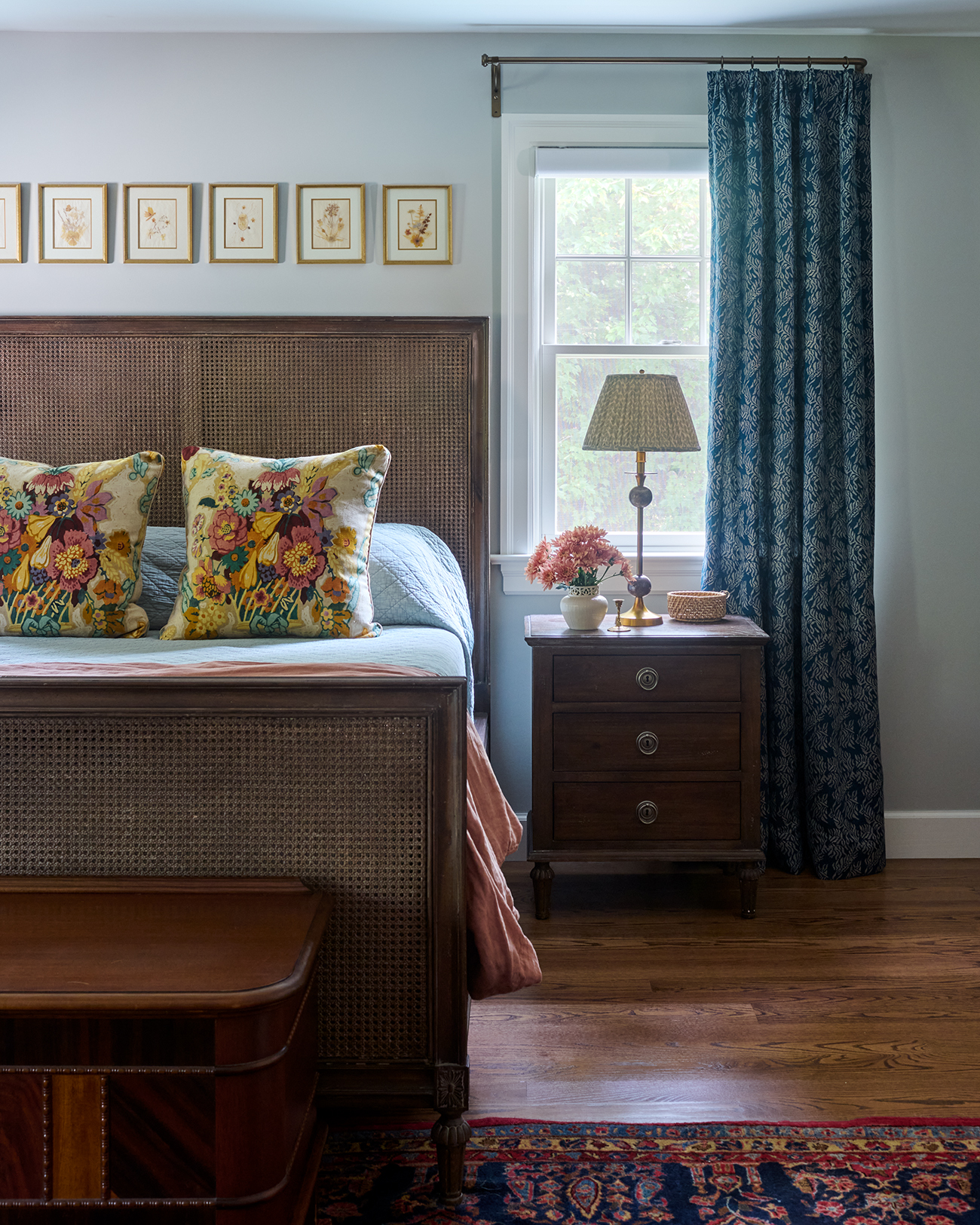
  • A bedroom that softens your shoulders the moment you walk in.
  • A kitchen that sparks connection and ease.
  • An entryway that welcomes with quiet confidence.

Here’s how we help clients uncover their design clarity — before a single swatch is chosen, ask yourself: “When I’m in this room, I want to feel…” Then ask: What’s getting in the way of that experience? What small shift could support it?

This simple practice reveals more than your design style. It opens the door to what your space is truly ready to become.

You Deserve More Than Pretty

You deserve a home that supports your ambition, your calm, and your everyday rituals. A home that reflects your story and works for the way you live, without compromising beauty or comfort.

When design supports the life you’re building, the result isn’t just beautiful. It’s alive with purpose. Let’s go!

🏡 Ready to Feel at Home in Your Home? Reach out to us to kickstart a conversation about helping you connect with the emotional core of your home and support the life you’re building.


The Heart of the Start


How to bring your big vision to life, even when you have no idea where to begin.


Photos by: Rebecca McAlpin


I’ll never forget the first time I stepped into a home that truly felt like it belonged to its owner. The ambiance, the carefully chosen furniture, and the subtle harmony of textures—it was like the house itself had a soul. A home is more than walls and furniture—it’s where our life unfolds and it should reflect who we are and how we live. That’s the magic of design: it’s deeply personal.

Whenever I tell someone that I am an interior designer, they often have the same question: Where do we even start?

I think back to one client who felt completely overwhelmed by the thought of designing her home. She had a Pinterest board full of ideas but no clue how to make them work together. Helping her uncover her priorities and establish a clear vision was the first step toward creating a home she absolutely loves.

My role is to simplify the process and bring clarity to your vision. Together, we start with one essential thing: intention.

When it comes to creating a seamless flow from room to room, bringing stories and personality to life, a little Intentionality goes a long way.

If you’ve been dreaming about a design project, this guide is here to help you get to the heart of your start.

Are you ready to start visioning? Let’s explore how to unlock your home’s potential. We’ll start by identifying the feelings you want to evoke in your space, finding the inspiration that sparks your creativity, and weaving it all together to create a cohesive design. Along the way, we’ll ensure your home is as functional as it is beautiful. The result? Pure magic.


Photos by: Rebecca McAlpin

The Starting Point of Design

The answer is simpler than you think. Great design begins with intention and unfolds as we discover how your home can reflect who you are and what matters most to you. From evoking the right feelings to finding your unique spark of inspiration, every step brings us closer to a space that feels like home.

What Do You Want Your Home to Feel Like?

Beautiful spaces are born from what moves the soul. How do you want to feel in your space? Chic? Thoughtful? Organized? Cool? I believe the best interiors are rooted in how they make you feel. A well-designed home frames the vibe you want and brings that emotion to life.

Take a moment to imagine: What does serenity look like to you? Soft, muted tones and organic textures? Or perhaps energizing means bold colors and dynamic patterns? By identifying your desired vibe, you can ensure that every element of your home contributes to that feeling. This emotional anchor becomes the foundation for a cohesive design.

Find Your Spark

Once you’ve identified the vibe, let’s look for your spark, your design muse. This could be an heirloom, a color, or a statement piece you can’t stop thinking about. One exciting choice can create a ripple effect of creativity.

A favorite chandelier might inspire the palette for an entire room, or a vintage rug could dictate the tone of the adjacent spaces. Your standout piece becomes a guidepost for texture, color, and material choices to ensure every decision feels intentional and cohesive.

Designer Insight:
Build around it. Use your standout piece and desired vibe as a guide to create a space where everything feels like it belongs.

Make It Functional and Personal

A home should be more than beautiful; it should reflect your personality and make sense for your life. Whether you have kids, pets, cocktail hours, or spontaneous dance parties, your space should be as functional as it is stunning. After all, who wants to tiptoe around their living room like it’s an art gallery?

Your home is a reflection of who you are and how you live. This isn’t about following trends or duplicating someone else’s aesthetic. It’s about home as both story and sanctuary—personal, purposeful, and livable.


Photos by: Rebecca McAlpin

Create Cohesion Across Spaces

A cohesive design isn’t just a collection of beautifully designed rooms, it’s a space where every element flows seamlessly, telling a unified story.

Remember, your home is a single, unified space. Designing each room in isolation can lead to a disjointed feel. Instead, focus on creating visual and thematic connections between rooms for a harmonious flow.

Walk through your home as if you were a guest. Does each room transition naturally into the next? Or does something feel out of place? Cohesion means creating harmony from one space to another so nothing feels disharmonious.

Designer Insight: Find a unifying element to tie your rooms together. This could be a recurring color palette, similar textures, or a shared design motif. For example, a sleek brass detail might flow through your lighting, furniture, and hardware choices, creating subtle continuity.

Confident Collaboration

We don’t just design homes; we co-create them with you. At Safferstone, we listen, collaborate, and guide you through a stress-free process. Together, we’ll create a space that surprises and delights you, bringing your vision to life in ways you never imagined.

Every project is unique, but the goal remains the same: crafting a home that tells your story beautifully and seamlessly. Let’s create something extraordinary: a home where beauty and purpose align perfectly.

Ready to transform your home into a space that inspires and delights every day? Reach out to kickstart a conversation.